Keeping up with Nokia: Symbian, MeeGo, Qt, WRT, Meltemi, then Windows Phone
Nerd Attack's last month. Eight years of building for Nokia through every platform it tried, what each switch cost us, what carried over, and what I think of it all now.
This is Nerd Attack’s last month. Eight years since Ow and I started it. I’ve told some close friends already, but people still ask me how the company’s doing… so might as well write it here la.
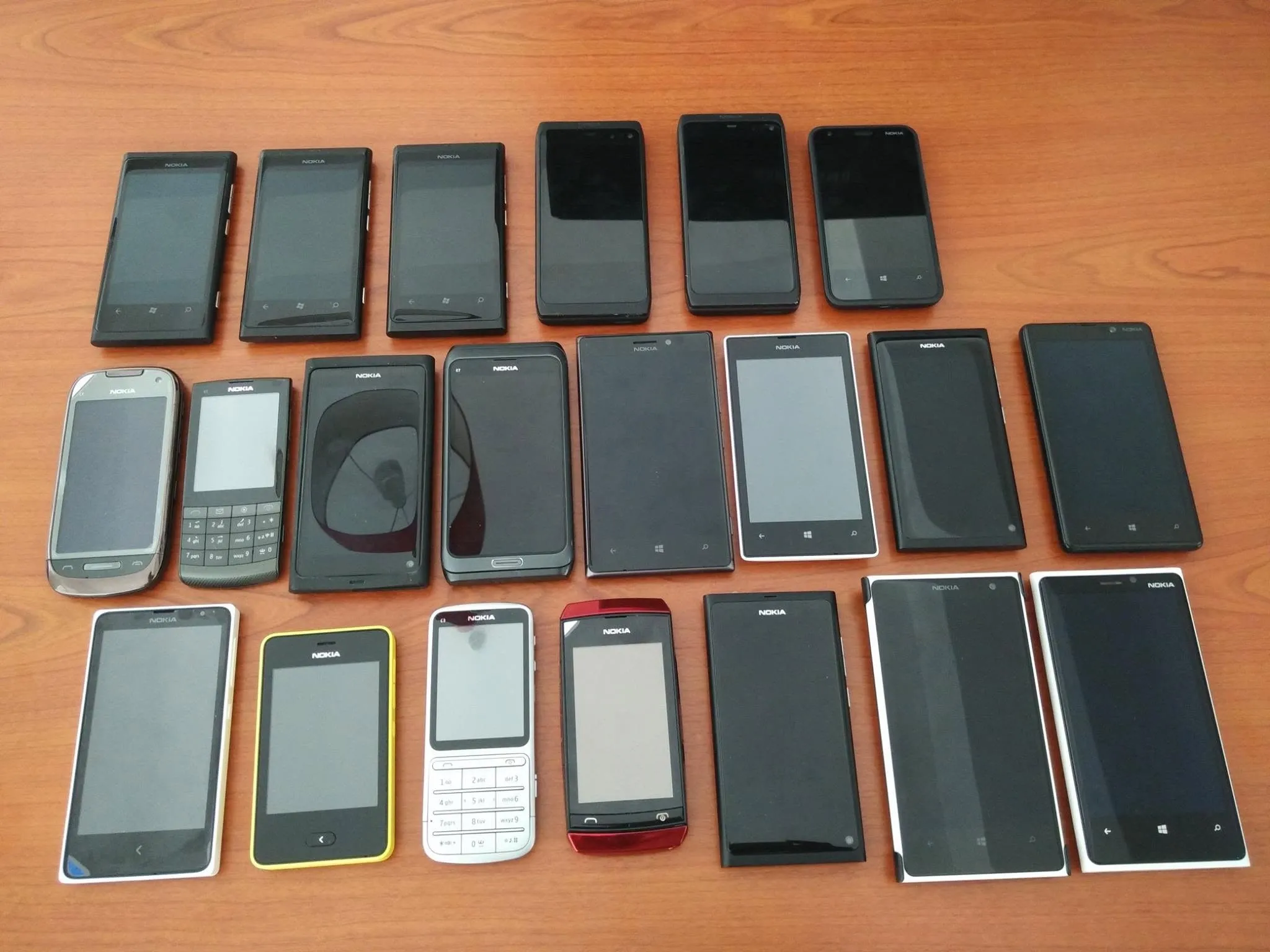
Most of those eight years were about Nokia, one way or another. A few months ago I laid out some of the phones Nokia sent us for development over the years and took a photo. Maemo, MeeGo, Windows Phone 7, Windows Phone 8, S60, Asha… way too many. The N950 developer units in the middle row are probably the most valuable of the lot.
How Nokia happened
In 2009 we built KLTraffic in a week and sent it to Nokia, to show them what we could do with their phones. They wrote back. We got into Forum Nokia Pro, the programme you can’t apply for, and prototype phones started arriving by courier from Finland. Then Nokia Singapore called and asked if we could come down for a meeting with SingTel… the next day. We flew down and back the same day and came home with two Christmas preloads, Makansutra and IS Singapore, on a two-week deadline. The N8 preloads, the booth at Nokia Connection, speaking at their conference, training developers for them around the region… all of that came from one app we sent over to show off.
Keeping up
Every year or two, Nokia had a new idea of what the future was, and we started over. S60 widgets in Web Runtime first, then Symbian^3 and Qt for the N8, then MeeGo on the N9 and those N950s. Series 40 on the side, because so many people here were still on keypad phones, so Headlines went there as well. Then in early 2011 Nokia announced it was going with Windows Phone, and I remember feeling excited about it, because we could be first movers… and we were. Juice was on Symbian, the N9 and Windows Phone 7 within a year.
There was even one that never got announced. Meltemi was Nokia’s Linux for cheap phones. We had an Asha prototype sitting on the desk so we could port SophieLens over to it… and then it was gone. Nokia cancelled it in 2012 and never admitted it existed. The last one was the Nokia X, a Nokia running Android, of all things.
Every time it was the same story… new tools to learn, a whole new OS to understand, pre-release SDKs that weren’t finished, and then a firmware update that broke something that was working perfectly fine the day before. The code was mostly from the ground up each time. The design survived, the same assets ported over with a layout for whichever platform it was, and the filters survived, from Sophie Cam to SophieLens to every phone we put them on.
The end of Nokia, for us
It ended when Microsoft bought the phone business in 2014. Stephen Elop went to Microsoft with it, and within months Microsoft had ended Asha, Series 40 and the X in one memo. We moved on to iOS and Android, and Windows Phone too.
I never liked Elop. Nokia’s CEO should have been a Finn from inside Nokia, not someone from Microsoft. If they’d kept MeeGo and the N9 instead of killing it outright, things could have been very different. MeeGo had real potential as the third OS… it could have taken on iOS and Android. And I wasn’t the only one who thought so. When the N9 came out, Engadget called MeeGo “a thoroughly compelling OS” and asked Nokia if it was serious about dropping it. Two years later even Jorma Ollila, Nokia’s own former chairman, said the Windows Phone bet hadn’t given them competitive products.
Eight years
It’s a miracle we lasted this long. I’ve seen industries change, giants fall, weird trends come and go, and the startup scene here grow up around us. I’ve seen people move up the corporate ladder, and people move on to better things in life, which matters a lot more than the ladder. Everything and everyone around us kept growing and flowing… and we were the rock in the stream, not moving while all of it went past.
I don’t think these were wasted years lah. We built great things. We were product builders, just not business builders. And I know now what I’m good at and what I’m not, so no more wasting time on the things I’m not. You have your thirties to hone your strengths. I’m a late bloomer.
There’s a lot more to this if anyone wants to know. Happy to chat over coffee.